Muskan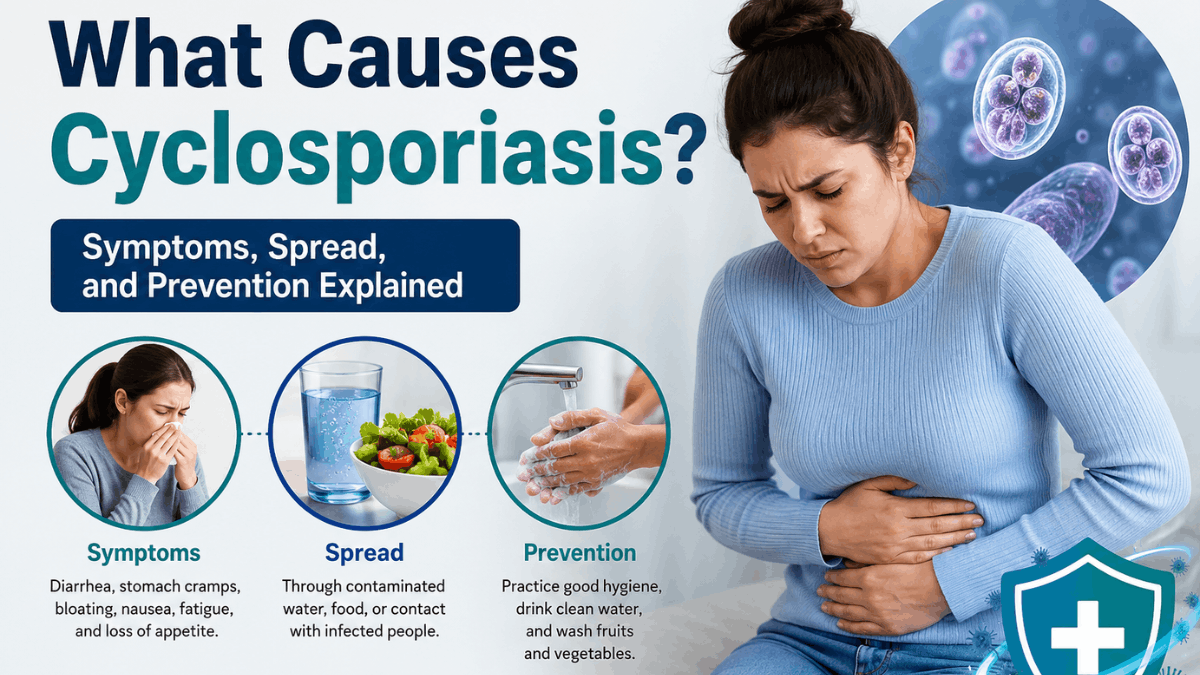
What causes cyclosporiasis? Cyclosporiasis is an intestinal illness caused by the Cyclospora parasite, a tiny organism that spreads through contaminated food or water. While infections can happen at any time of year, health officials see more cases during warmer months, when people eat more fresh produce and spend more time in outdoor water activities.
Most people get infected by eating or drinking something that has the parasite in it. Public health experts say the illness does not usually spread directly from person to person, since the parasite needs time to mature in the environment before it can infect someone else.
What Causes Cyclosporiasis?
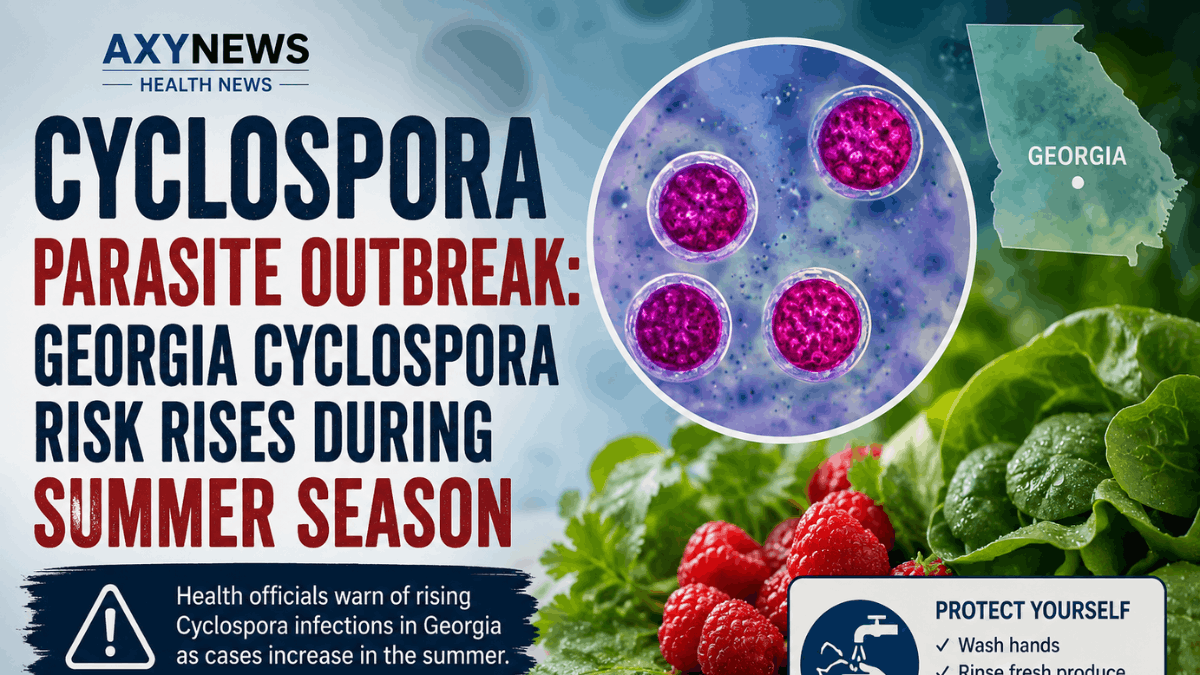
Cyclosporiasis develops after a person ingests the Cyclospora parasite, which is spread through human fecal contamination of food or water. Fresh produce that is difficult to clean thoroughly is among the most common sources linked to previous outbreaks and has recently been reported in the Cyclospora Parasite Outbreak in Georgia.
Health authorities have associated several foods with outbreaks over the years, including:
- Raspberries
- Fresh basil
- Cilantro
- Salad mixes
- Lettuce
- Snap peas
- Mixed berries and fruit products
Contaminated recreational water may also increase the risk of infection. Swimming pools, splash pads, lakes, and other water sources can become a concern if sanitation standards are not properly maintained.
Once swallowed, the parasite enters the small intestine, where it multiplies and damages the intestinal lining. New parasite eggs are later passed through stool and released into the environment. However, these eggs require days to weeks outside the body before they become infectious, which is why direct household transmission is considered uncommon.
Public health experts say proper food handling, clean drinking water, and good hand hygiene remain the most effective ways to reduce the risk of infection.
What Are the Symptoms of Cyclosporiasis?
Symptoms of cyclosporiasis usually appear several days after exposure to the parasite. The illness most commonly affects the digestive system and may last for weeks if left untreated.
Common symptoms include:
- Frequent watery diarrhea
- Stomach cramps
- Bloating
- Nausea
- Loss of appetite
- Weight loss
- Fatigue
Infectious disease specialists say that watery diarrhea is the most common sign of cyclosporiasis. Unlike some other foodborne illnesses like Salmonella or E. coli, people with Cyclospora infection might not get a fever. Instead, the illness mostly affects the digestive system, causing frequent loose stools, stomach cramps, bloating, nausea, loss of appetite, tiredness, and unplanned weight loss.
Symptoms often start a few days after someone eats or drinks something contaminated with the Cyclospora parasite. The infection can make daily life hard, since diarrhea can happen many times a day and last for a long time.
For many healthy people, the illness gets better on its own, but it can take weeks to fully recover. Experts say symptoms can come and go, so someone might feel better for a few days before diarrhea and stomach pain return. This pattern can be frustrating if the infection is not diagnosed correctly.
People with weak immune systems, such as those on certain medical treatments or with health conditions that lower the body’s defenses, may have more severe or longer-lasting symptoms. In these cases, the illness usually does not go away without proper medical care.
Health experts suggest seeing a doctor if diarrhea lasts for several days, gets worse, or leads to signs of dehydration like extreme thirst, dizziness, dry mouth, or less urination. Getting checked early can help find the cause and prevent problems.
To diagnose cyclosporiasis, doctors need a special stool test because regular lab tests might not find the parasite. If a doctor thinks someone has Cyclospora based on their symptoms or recent exposure to contaminated food, they may order extra tests to confirm it.
The good news is that cyclosporiasis can be treated once it is found. Public health experts say you can lower your risk by washing your hands with soap and water, rinsing fruits and vegetables under running water before eating, drinking safe water, and staying away from food or drinks that might be contaminated. These simple food safety steps can help protect you from the Cyclospora parasite.
As health authorities continue to monitor cases each season, knowing the symptoms and how the infection spreads can help people spot the illness early and get medical help when needed.