Muskan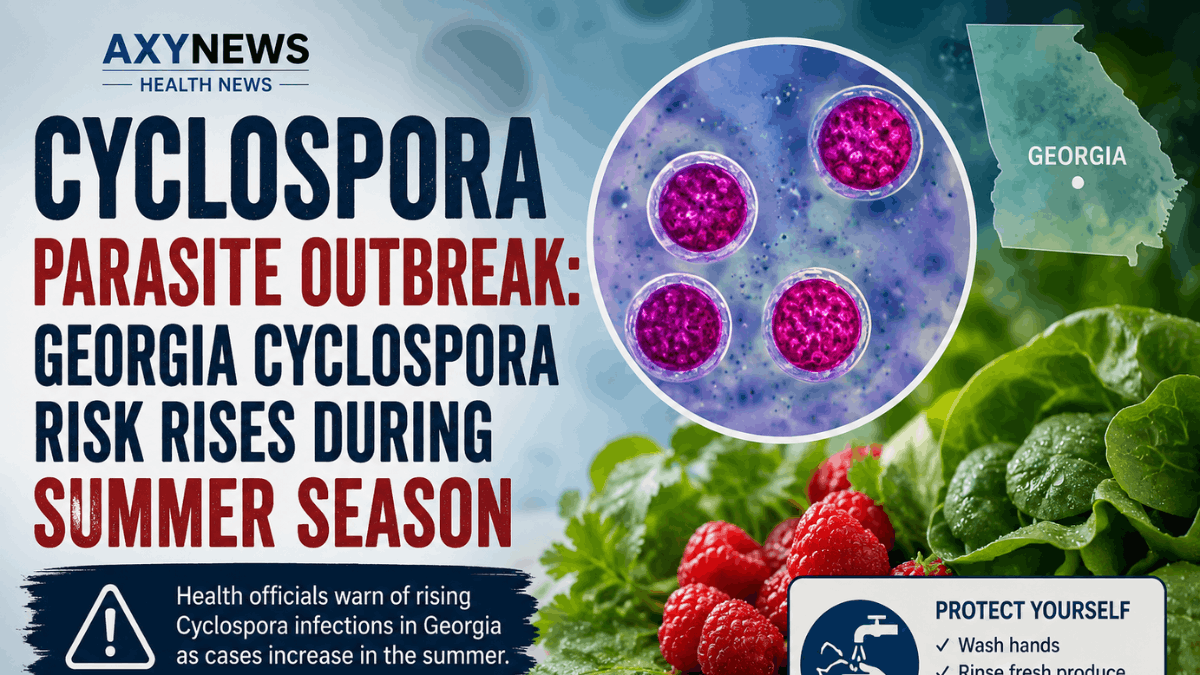
Georgia public health officials are asking residents to be careful as concerns about the Cyclospora parasite outbreak during the summer. Health experts explain that infections from this parasite usually peak in June and July, when most cases are reported in the state. Officials recommend following good food safety and hygiene practices while health agencies monitor seasonal infections across the country.
This warning comes as health agencies across the country are seeing more Cyclospora infections. Officials encourage everyone to practice good food safety and wash their hands to help reduce the risk of getting sick.
What to Know About the Cyclospora Parasite Outbreak in Georgia
The Georgia Department of Public Health reports that Cyclospora infections have become more common in recent years. The agency says better lab testing has helped find more cases since 2015.
June and July are usually the peak months for the Cyclospora parasite outbreak in Georgia, according to state health officials. As seasonal infections rise, public health agencies continue monitoring reported cases and urge residents to take basic precautions to help prevent illness.
Cyclospora is a tiny parasite that causes an intestinal illness called cyclosporiasis. People can get sick by eating or drinking food or water that has the parasite. Unlike many stomach bugs, Cyclospora usually does not spread directly from person to person because it needs time in the environment to become infectious.
Public health officials across the United States are also seeing more Cyclospora infections this season. The Centers for Disease Control and Prevention (CDC) reported over 1,100 cases in 2025 in many states. More than 100 people were hospitalized, but no deaths have been reported.
Health officials say that Cyclospora cases across the country usually start to rise in late spring and peak in the summer. Investigators in several states are looking into recent cases, but they have not found a nationwide source. Frequently been linked to certain fresh produce items. Foods that have been associated with Cyclospora outbreaks include:
- Cilantro
- Basil
- Leafy greens
- Raspberries
Officials stress that these foods are safe when grown and handled correctly. Still, fresh produce can get contaminated before it reaches you, so handling food safely is important to help prevent infection.
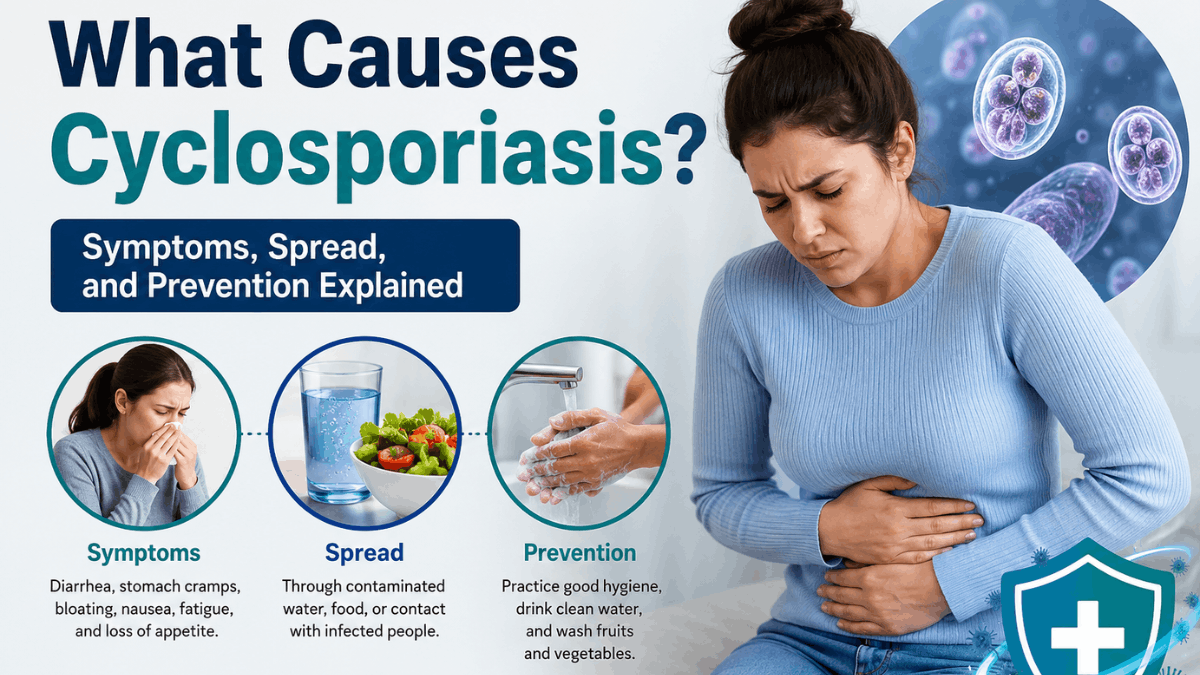
During the ongoing Cyclospora parasite outbreak, infected people may not experience symptoms immediately. Health officials say illness often develops several days after exposure.
Common symptoms include:
- Frequent watery diarrhea
- Loss of appetite
- Weight loss
- Stomach cramps
- Bloating
- Nausea
- Fatigue
Without proper treatment, symptoms can last for several weeks or even longer in some people. If you have ongoing diarrhea or other worrying digestive symptoms, you should contact a healthcare provider for advice.
Health officials say that diagnosing Cyclospora needs a special lab stool test. Since the parasite does not show up in every routine test, your healthcare provider may order extra testing if they think you might have Cyclospora.
In Georgia, cyclosporiasis is a reportable disease. This means that labs and healthcare providers must tell the Georgia Department of Public Health whenever they confirm a case. Reporting helps officials track trends, investigate potential outbreaks, and respond quickly if several cases appear to be connected.
To lower your risk of infection, health officials recommend good hygiene and basic food safety. Washing your hands well with soap and water before making food and before eating is one of the easiest ways to stay healthy.
Officials also suggest rinsing fresh fruits and vegetables under clean, running water before preparing or eating them. While washing may not remove every contaminant, it is still an important step in reducing your risk of exposure to harmful germs.
You should also avoid food or drinking water that might be contaminated with human waste, especially when traveling or in places with limited sanitation.
Public health experts say it is especially important to stay aware during the summer, since warmer months have often brought more Cyclospora parasite outbreaks in many areas.
While investigations into recent cases continue, officials encourage people to focus on daily prevention instead of worrying. Authorities say staying informed, practicing good hand hygiene, and safely handling fresh produce can help lower the risk of infection during the seasonal increase.
They continue working with national public health partners to monitor reported cases and provide updates as more information becomes available.