Muskan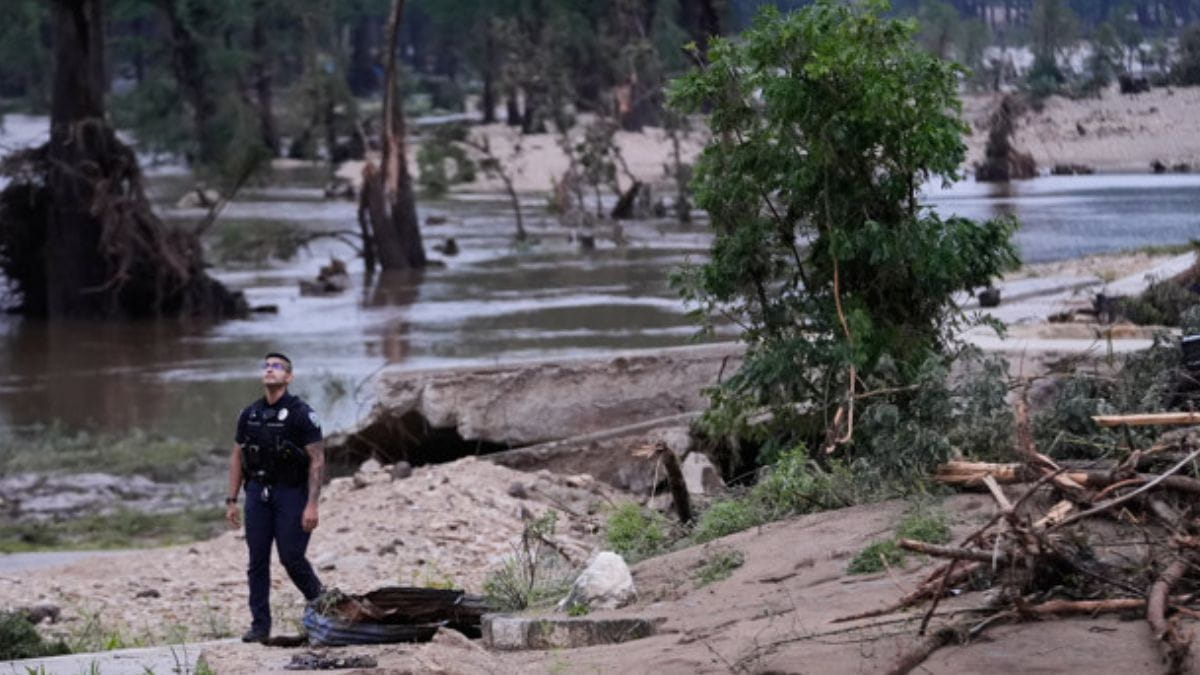
Texas Floods :In 2026, deadly flash floods hit Central and West Texas, resulting in at least two deaths and hundreds of rescues. Several days of heavy rain caused rivers to overflow, damaged roads and bridges, and led to emergency evacuations in many counties. Officials say that new flood warning systems, put in place after the severe 2025 floods, helped save lives by giving residents earlier alerts.
The recent flash floods in Texas hit Kerr County, Uvalde County, Kerrville, Ingram, Midland, Odessa, and surrounding areas. Emergency crews stayed on high alert as floodwaters moved through neighborhoods, roads, and low-lying communities.
Two People Die as Flash Floods Sweep Across Texas
Authorities confirmed that at least two people died in the most recent flooding.
One of the victims was a 74-year-old man whose car was swept away by strong floodwaters north of Uvalde. Another person died in the Kerrville area after fast-rising water flooded homes.
Officials keep warning that driving on flooded roads is very dangerous. Even a small amount of fast-moving water can sweep away cars, and flash floods can form quickly after heavy rain.
Search-and-rescue teams remained busy in the affected areas, helping residents stranded by the floods.
Heavy Rain Pushes Texas Rivers Above Flood Stage
The National Weather Service issued several flood warnings after days of heavy rain caused rivers to rise quickly.
Rivers under flood warnings included the Guadalupe River, Pedernales River, Nueces River, Rio Grande, San Antonio River, Llano River, and Frio River.
Some areas in Central Texas received more than 20 inches of rain between Monday and Thursday, causing dangerous flooding in several communities.
Floodwaters damaged homes, roads, highways, and public infrastructure. Part of the FM 481 bridge southwest of Uvalde was destroyed, which led to road closures and long delays for local residents.
Emergency officials also warned people to avoid floodwaters, since they can contain sewage, harmful bacteria, dangerous chemicals, live electrical wires, and hidden debris.
New Flood Warning Systems Help Save Lives
This latest flooding happened just over a year after the devastating Texas floods in July 2025, when more than 130 people died, including children at a summer camp near the Guadalupe River.
After that tragedy, state leaders approved big improvements to emergency warning systems in communities at risk of flooding.
New outdoor flood sirens were set up in Kerr County, Ingram, and nearby areas. Local governments also increased the use of wireless emergency alerts, text messages, weather notifications, and evacuation warnings.
During this week’s storms, many residents said they got several alerts on their phones before floodwaters reached their homes. Others heard the new warning sirens, which encouraged families to move to higher ground before things got dangerous.
Officials believe these faster warning systems helped reduce casualties during the recent floods.
Hundreds Rescued as Emergency Crews Respond
Police, firefighters, rescue teams, and emergency agencies carried out hundreds of water rescues in the affected counties.
Boats, emergency vehicles, and special rescue equipment were used to evacuate people trapped in flooded homes and stranded cars.
Local authorities urged residents to follow evacuation orders right away instead of waiting for floodwaters to get higher. Officials said that waiting to evacuate is still one of the biggest dangers during flash floods.
Texas Expands Flood Protection and Monitoring
After the deadly 2025 floods, Texas put more money into flood preparedness in areas at risk.
State funding has helped install additional flood sirens, and more counties are planning to improve their emergency warning systems.
Private companies have also brought in new flood-monitoring technology, like river-level sensors and automated warning sirens that go off when water gets too high.
Emergency experts say that using both outdoor sirens and wireless alerts helps deliver warnings faster and gives people more ways to receive life-saving information during severe weather.
Lake Travis and Lake Buchanan Reach Full Capacity
The heavy rain also caused water levels to rise a lot in the Highland Lakes system.
Officials expect Lake Travis and Lake Buchanan to reach full capacity for the first time since 2019. Water managers plan to open the floodgates at Mansfield Dam to safely release excess water and reduce the risk of downstream flooding.
People living near rivers, lakes, and flood-prone areas are being told to keep watching weather updates and stay ready for changing conditions.
Recovery Begins as Texas Faces Another Flood Season
Texas Governor Greg Abbott has asked for a presidential disaster declaration for many affected counties to speed up federal help and recovery efforts.
Weather forecasts indicate it will be drier and hotter next week, which should help floodwaters recede. Still, cleanup, repairs, and support for families will likely continue for weeks.
The Texas floods of 2026 show that better warning systems, emergency planning, and faster communication can save lives. Even with these improvements, officials warn that flash flooding is still one of Texas’ deadliest natural hazards. Early warnings and quick action are essential whenever severe weather threatens. As recovery efforts continue, residents should stay alert, follow official advice, and prepare for future storms.