Muskan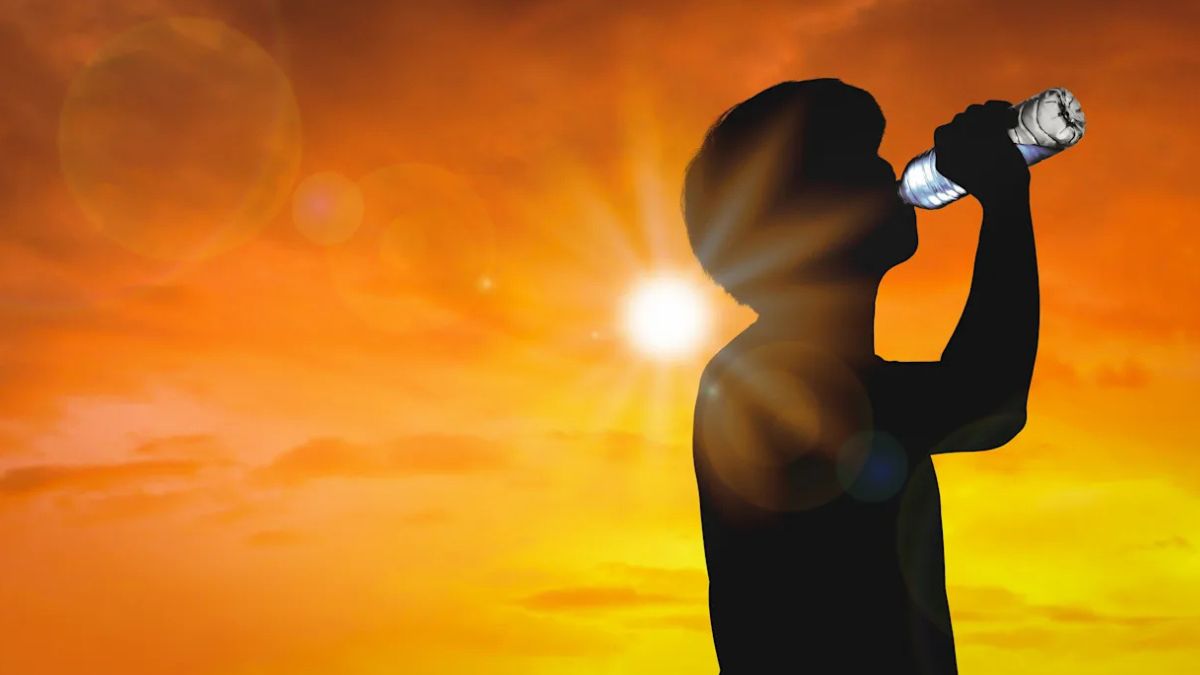
July 5, 2026 — A powerful heat wave is gripping large parts of the United States, with record-breaking temperatures, dangerous humidity, and severe thunderstorm threats. Weather officials have issued Extreme Heat Warnings and Heat Advisories across several states, with more than 160 million people facing hazardous conditions.
The heat wave is affecting much of the Midwest, Northeast, and Mid-Atlantic, with temperatures reaching the upper 90s and topping 100°F in many cities. High humidity is worsening conditions, pushing the heat index, or “feels like” temperature, to between 105°F and 115°F.
Officials are urging residents to stay indoors during the hottest hours of the day, drink plenty of water, and check on elderly family members, neighbours, and anyone at greater risk of heat-related illness.
Extreme Heat Covers Large Parts of the Country
Meteorologists say this is one of the most intense heat waves of the summer. Temperatures are staying high overnight, with many cities recording lows above 80°F. The lack of nighttime cooling increases the risk of heat exhaustion and heat stroke because the body has little time to recover.
Health experts warn that children, older adults, outdoor workers, and people with chronic medical conditions are especially vulnerable during extended periods of extreme heat.
Northeast and Midwest Face Highest Temperatures
Several major cities across the Northeast, including New York City, Philadelphia, Washington, D.C., Boston, and Baltimore, have reported temperatures near or above 100°F. Some locations have already broken daily records, while others could set new ones if the heat continues.
The Midwest is also experiencing dangerous conditions. Cities such as Chicago, St. Louis, Kansas City, Omaha, and Cleveland continue to record temperatures in the 90s, with heat index values exceeding 100°F. Forecasters say scattered thunderstorms will provide only short-term relief before hot and humid weather returns.
Severe Storms May Disrupt Travel and Outdoor Events
Along with the extreme heat, severe thunderstorms are expected across parts of the Mid-Atlantic, including the Washington, D.C. metropolitan area.
The storms could produce damaging wind gusts of up to 80 mph, heavy rainfall, frequent lightning, isolated large hail, and localised power outages. Downed trees and power lines may also create travel problems during one of the busiest holiday weekends.
Weather officials advise residents to closely monitor forecasts and move indoors immediately if severe thunderstorm warnings are issued.
Poor Air Quality Adds to Health Risks
High temperatures and stagnant air have also worsened air quality in several regions. Health officials say poor air quality can increase breathing problems, especially for people with asthma, heart disease, or other respiratory conditions.
Residents are encouraged to limit outdoor activities in the afternoon and keep windows closed when local air quality alerts are in effect.
Cooler Weather May Arrive Next Week
Forecast models suggest parts of the Midwest could begin to see slightly cooler temperatures later this weekend. Relief may also reach parts of the Northeast and Mid-Atlantic early next week as the current weather system moves away.
However, temperatures are expected to remain above average in many areas, and officials say people should continue to take precautions until the heat wave fully subsides.
Heat Safety Remains a Top Priority
Health authorities recommend drinking water regularly, wearing lightweight clothing, avoiding strenuous outdoor activities during peak afternoon hours, and never leaving children or pets inside parked vehicles. Anyone showing signs of heat stroke, including confusion, unconsciousness, or a body temperature above 103°F, should receive immediate medical attention.
As the dangerous heat wave continues across the United States, officials are urging the public to stay informed through local weather updates and follow safety guidance. With extreme temperatures, poor air quality, and severe storms affecting millions, experts say simple precautions can help prevent serious heat-related illnesses.